
Jul 13,2026
Pageview: 70
Last summer, a thunderstorm rolled through my neighborhood at 3 a.m. Lightning struck a transformer two streets away, and when the grid kicked back on, a surge rippled through the mains. My neighbor’s brand-new HVAC control board fried instantly. My own home server, however, stayed safe – not because I’m lucky, but because I’d stopped trusting basic surge strips years ago. That experience is what pushed me to learn the difference between a dumb disconnect and a device that actually lets you decide what “unsafe power” looks like. If you’re reading this, you’re probably asking the same question I did: Do I really need something smarter than a generic protector? Let’s break it down.
When most people think about power problems, they picture a dramatic lightning strike. In reality, the daily grind of voltage instability is far more common – and more destructive. Motors start up, heavy loads switch off, and the utility adjusts tap changers. All of this causes brief overvoltage spikes, sustained undervoltage sags, and even current draw anomalies that wear down sensitive electronics over months, not minutes.
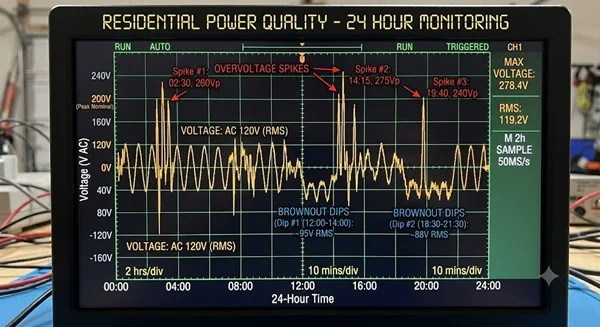
A 2023 report by the Electric Power Research Institute noted that voltage disturbances account for a significant share of premature electronic equipment failure in commercial and residential settings, often cutting the life expectancy of motor-driven appliances by as much as 30%. For businesses, unplanned downtime from such events averages thousands of dollars per minute. The problem is real – and it’s not going away as grids integrate more variable renewable sources.
A traditional surge protector or simple voltage relay does one thing: it cuts power when voltage crosses a fixed, factory-set threshold, or it absorbs a spike and calls it a day. There’s no nuance. If you live in an area where the mains voltage routinely sags to 105V during peak air-conditioning hours, a generic protector set to trip at 100V will leave your refrigerator compressor to struggle and overheat for hours before finally disconnecting – if ever. Similarly, a brief, non-destructive overvoltage might trigger a false trip and shut down your chest freezer while you’re on vacation. Oysters in brine, anyone?
The fundamental limitation is that these devices don’t see current at all. A failing pump drawing excessive current due to a mechanical blockage will keep running on a voltage-only protector until it burns out. What’s missing is a protection logic that you can customize, and that can monitor both voltage and current in real time.
A digital voltage current protector solves the rigidity problem by putting the decision-making in your hands. Instead of fixed thresholds, it lets you dial in exactly what minimum and maximum voltage limits you find acceptable for a given piece of equipment – say, 110V to 130V for a delicate lab instrument, or 100V to 140V for a robust well pump. It also monitors the current flowing through the circuit and can trip on overcurrent or undercurrent conditions. Think of it as a personalized bodyguard for each appliance, rather than a one-size-fits-all bouncer at the door.
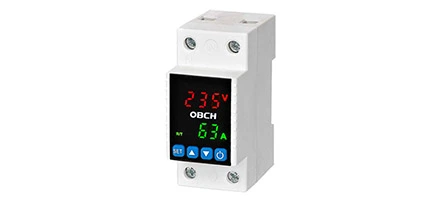
The adjustability extends beyond trip points. Most advanced units allow you to set a delay time – how long a voltage anomaly must persist before the output is cut. This prevents nuisance tripping from split-second grid events. Many also offer an automatic recovery delay, reconnecting power after a set time once conditions normalize, so you don’t have to manually reset the device. Real-time displays show voltage, current, and sometimes even power consumption, turning the protector into a mini energy monitor.
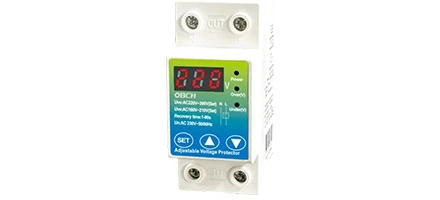
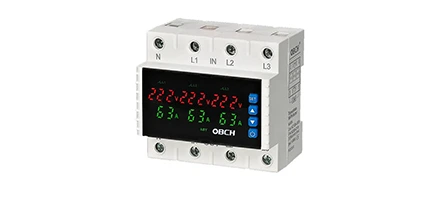
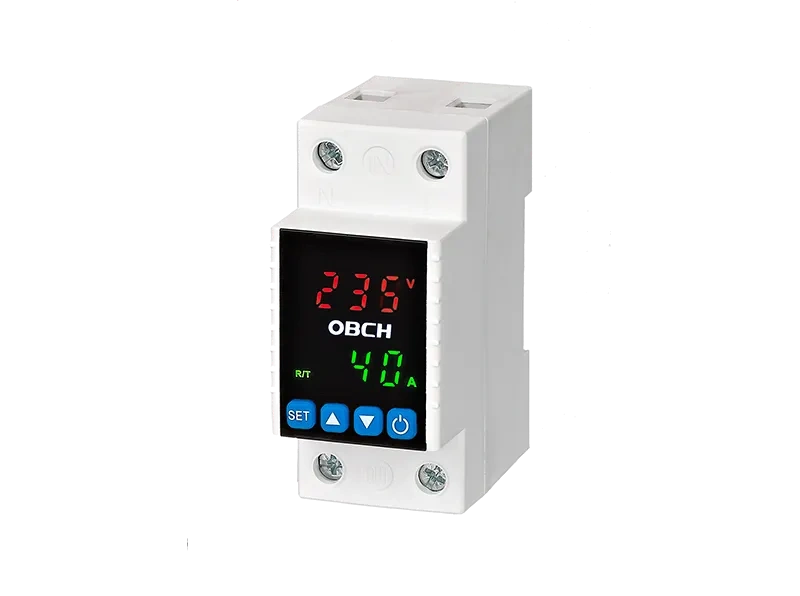
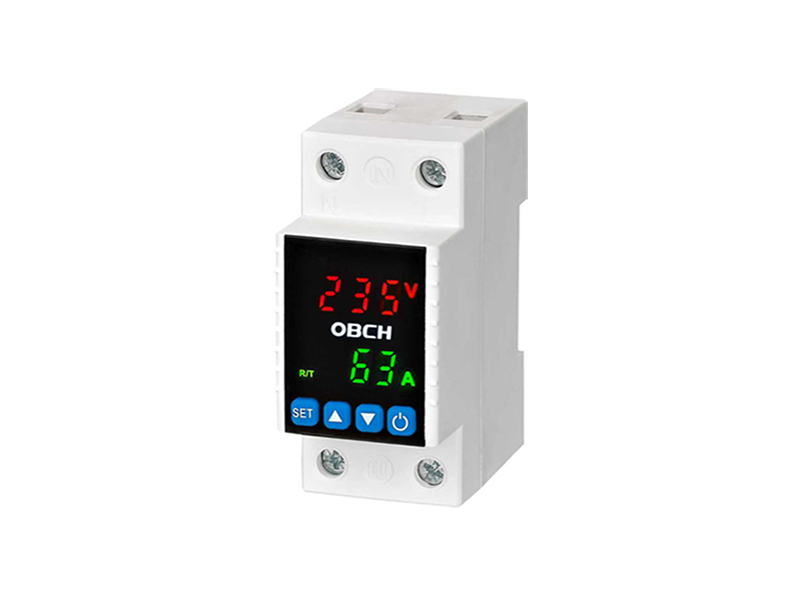
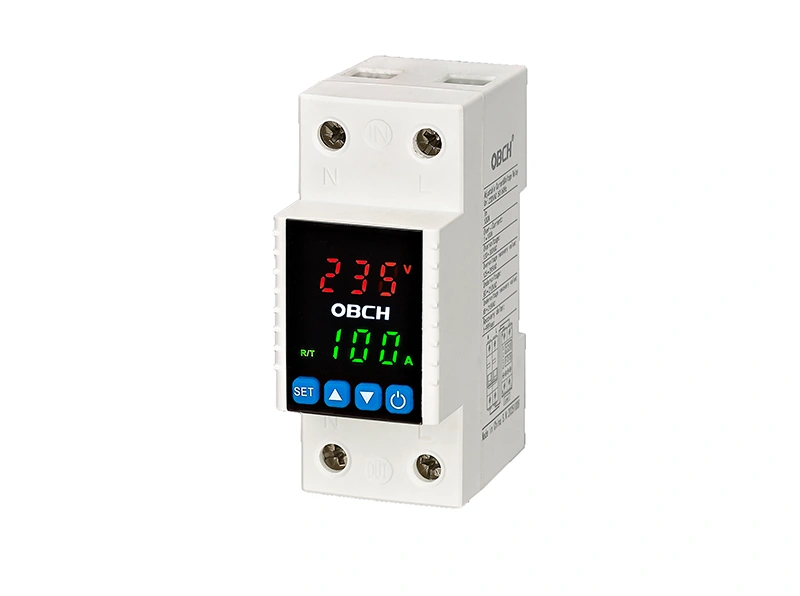
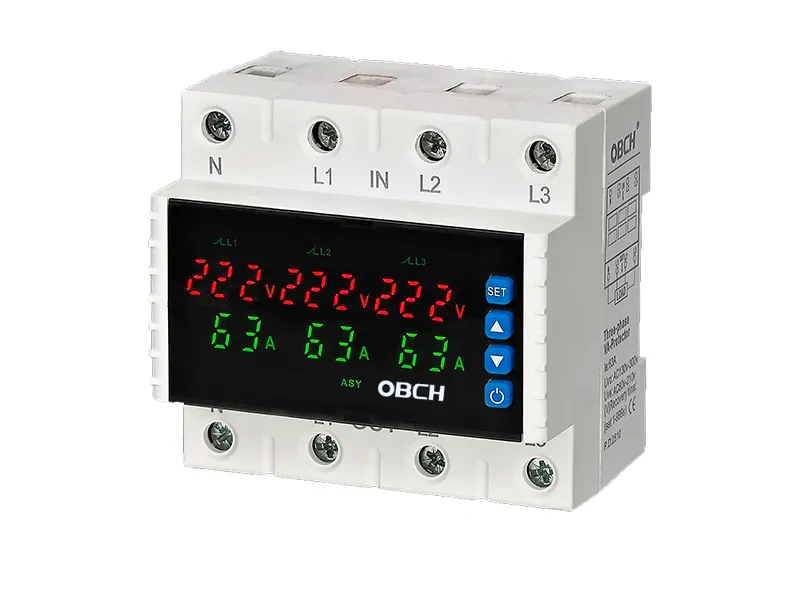
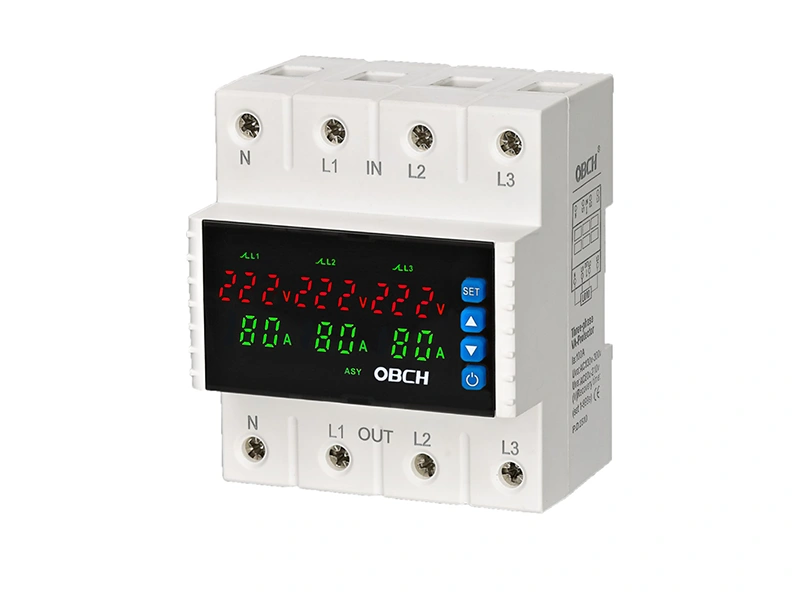
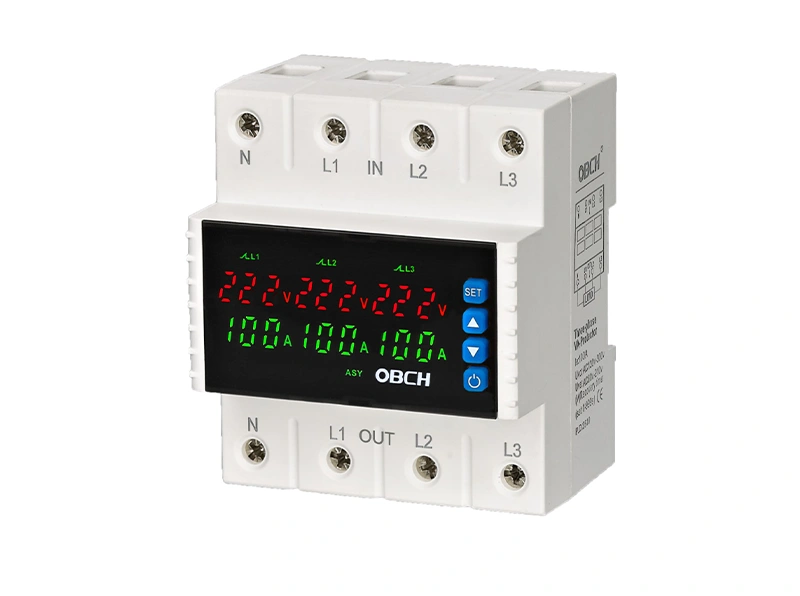
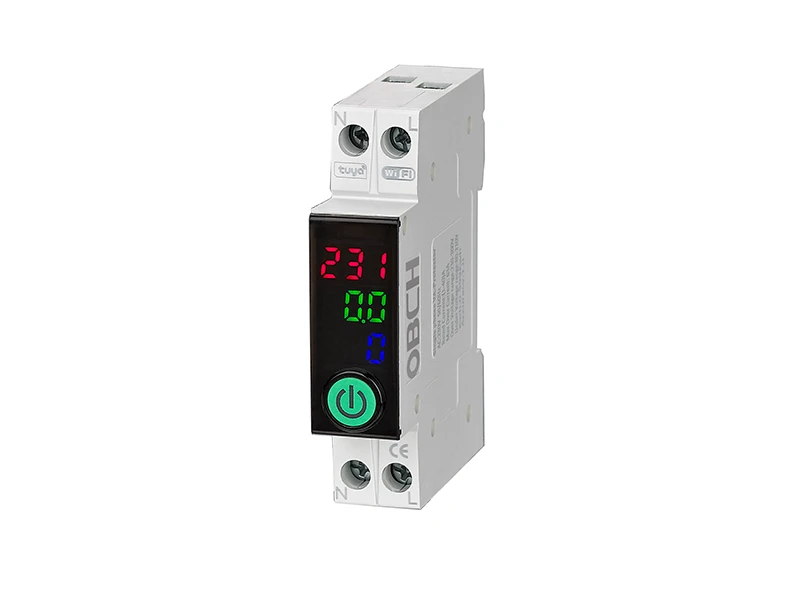
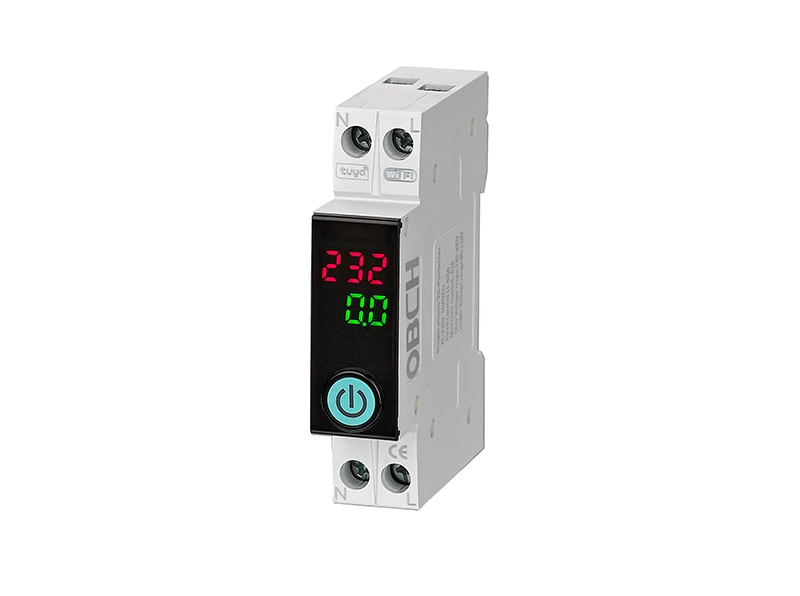
One example of such a device is an adjustable voltage protector that gives technicians the ability to program these parameters through an onboard interface, rather than relying on a manufacturer’s guess about what your site needs. Installation is typically between the breaker panel and the load, or as a plug-in unit for critical appliances, and the learning curve is minimal.
Not everyone needs a digital guardian. But if any of the following scenarios match your situation, the answer is likely yes.
You Own Equipment with a Brain
Modern appliances – variable-speed heat pumps, inverter refrigerators, induction cooktops, LED drivers, and anything with a microcontroller – are supremely intolerant of out-of-spec voltage. A 10% overvoltage for a few seconds can degrade electrolytic capacitors much faster than you’d expect. Customizing the upper voltage limit to a conservative value prevents slow, invisible damage.
You Run Pumps, Compressors, or Motors
These loads are particularly vulnerable to undervoltage. When voltage drops, motors draw more current to maintain torque, overheating windings. A conventional protector might let a motor sit at 95V for an hour; a tailored voltage and current protection system can disconnect within seconds, but only after a delay you set to avoid unnecessary trips. The ability to monitor current simultaneously means you can also catch a dry-running pump or a jammed saw blade.
Your Location Has Unstable Grid Power
If you live in a rural area with long distribution lines, in a country where voltage fluctuations are common, or even in an urban setting with frequent construction-related spikes, a dumb protector will either let too much through or trip so often you’ll unplug it out of frustration. The smart approach here is to look at the pattern of problems – sagging at dinner time, spiking late at night – and set your thresholds accordingly. For those investigating options, a programmable protection system allows you to define not only voltage windows but also overcurrent limits, effectively giving you three forms of protection in a single device.
You Can’t Afford Unattended Shutdowns
A server rack, a medical device at home, a tropical fish tank heater – failure is simply not an option. Here, the self-resetting capability and precise control of a digital unit become essential. You can set very tight voltage windows and short trip delays for maximum safety, knowing the device will attempt reconnection when the grid stabilizes.
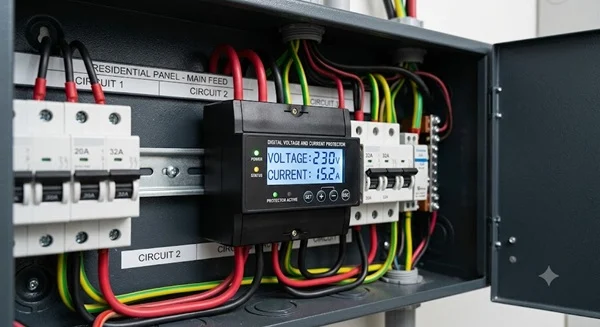
Not all digital protectors are built equal. Keep these criteria in mind:
Measurement accuracy and range: Look for a voltage reading within ±1% and a current sensing range that comfortably exceeds your load’s normal draw. A 30A relay for a 20A load is a good rule of thumb.
Adjustable parameters: At minimum, you want independent over-voltage, under-voltage, over-current, and time delay settings. The more granular the increments (1V or 0.5A steps), the better.
Auto-recovery logic: A unit that reconnects after, say, 30 seconds of stable power saves you a trip to the basement. Make sure the restart delay is also adjustable.
Display and diagnostics: A clear, real-time readout of voltage, current, and fault codes helps you understand why a trip occurred, rather than leaving you guessing.
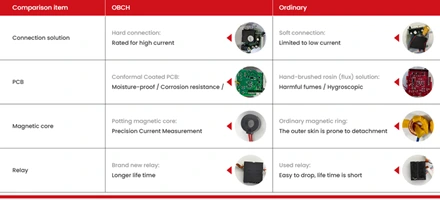
Build quality and certification: Check for fire-retardant housing, properly rated relays (preferably with a known manufacturer’s mark), and compliance with standards like IEC 61000-4-5 for surge immunity. This isn’t a place to cut corners.
Installing a digital voltage current protector is usually straightforward: it sits in a DIN rail enclosure or a standalone box, wired between the supply and the load. However, a few best practices from field experience make a big difference:
Separate sensitive and non-sensitive circuits. Don’t put your home office and a dusty workshop air compressor on the same protector. You’ll either set thresholds that are too loose for the computer or too tight for the motor.
Set conservative limits first. Start with a wider voltage window and a longer delay, then tighten gradually while observing normal operation. This prevents midnight trips from a minor dip that wouldn’t have actually harmed anything.
Use the current monitoring creatively. For a sump pump, an undercurrent trip can indicate the pump is running dry. For a conveyor motor, an overcurrent trip can catch a mechanical jam before the motor burns up.
Test periodically. Use a variac or a known test load to verify that the unit trips as expected. Components age, and calibration can drift on very inexpensive models.
If, after reading this, you’re leaning toward getting a unit that combines adjustable voltage thresholds with real-time current protection, you might want to explore configurable protection options that have been designed with these field lessons in mind. The best devices don’t just meet a spec sheet – they hold up in real-world noise, temperature swings, and years of operation.
Power quality isn’t going to improve overnight. As homes get smarter and workshops more automated, the cost of a single voltage event only goes up. A digital voltage current protector doesn’t just react – it gives you visibility and control over what “safe power” means for your specific gear. No guesswork, no compromise between protection and nuisance tripping. Whether you’re protecting a fridge full of vaccines or a gaming PC you saved up for, the difference between a generic guardian and a customizable one is the difference between hoping for the best and knowing you’re covered.
Disclaimer: This article provides general information only. Always consult a licensed electrician for installation, and follow local electrical codes and manufacturer instructions.

 English
 Chinese
 Pусский
 Français
 Español
 Deutsch
 Português
 한국인
한국인 عربي
عربي